I arrive at seven-forty-two with my laptop still warm from the walk. Eng Watt Street is quiet except for a delivery van idling near the market entrance and an uncle sweeping grit from the five-foot-way. The café I mean is small — twelve seats, a single espresso machine, pastries under glass that fog by eight. I take the corner table because it faces both the door and the window, which means I see who enters and how the light shifts across the tiled floor.
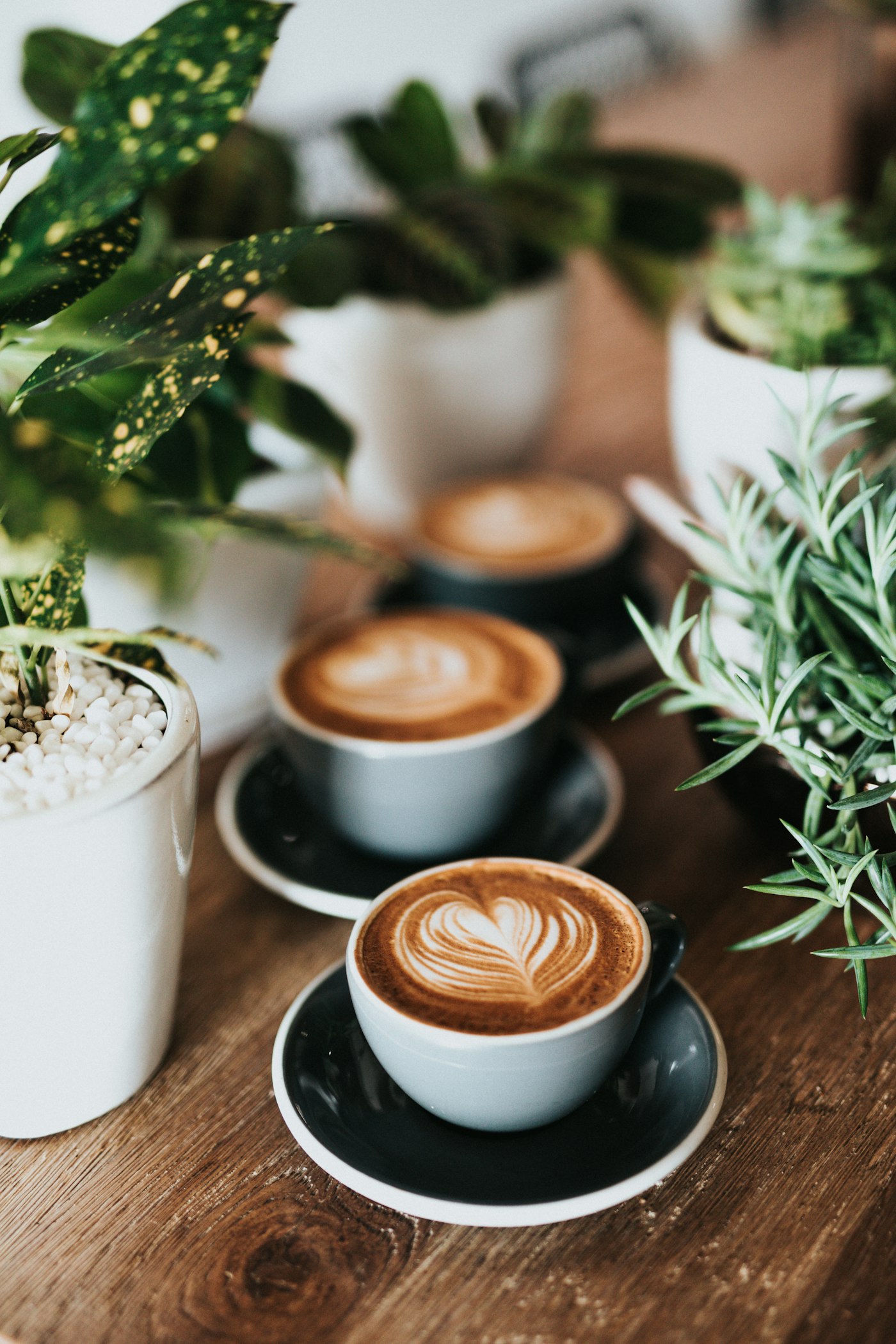
The barista remembers my order without me speaking: flat white, no sugar, cup for here. She slides a ceramic saucer across the counter and the cup sits heavy in my hands. The glaze is uneven near the rim — a manufacturing flaw that makes the lip slightly thicker on one side. I rotate it so the thin side meets my mouth. These are the adjustments you make when you return to the same seat often enough for the object to acquire familiarity.
At seven-fifty-five the first regular walks in — a woman with a canvas tote and running shoes tied to the outside. She nods at the barista, taps her card, leaves with a paper cup. No conversation. The transaction is compressed into muscle memory. I watch this and understand something about neighbourhood cafés that tourist guides miss: they are infrastructure, not destinations. The room exists so people can begin their day with heat in their palms.
My flat white cools at a predictable rate. The crema breaks into a pale ring by eight-oh-five. I drink anyway because stopping to photograph it feels like interrupting a process that does not need documentation. Outside, a child in uniform tugs at a mother's sleeve near the zebra crossing. The traffic light changes twice before they cross. A mynah lands on the awning bracket and shrieks once, then flies toward Seng Poh Road.

By eight-fifteen the seats fill. Two men in office shirts share a table meant for one, elbows touching. Someone opens the rear door and kitchen steam enters the room — dishwater, toasted bread, the sharp note of detergent. The corner seat remains mine because I am already here and because leaving would mean surrendering the view. I stay for the full hour I planned, though my work progress is minimal. I am mostly watching how people choose where to sit when options shrink.
The pattern repeats: solo customers take perimeter seats; pairs anchor the centre; latecomers accept stools at the bar. Nobody sits with their back to the window if they can help it. Light matters even when nobody names it. The Tiong Bahru blocks across the street catch sun on their curved balconies and for a few minutes the estate looks like a model someone built for a planning exhibition.
I pay at eight-fifty. The barista wipes my table before the receipt finishes printing. I walk home along Yong Siak Street with the cup's warmth still in my fingers though the cup itself is on the draining board now. The observation I want to keep is simple: in this café, the first hour belongs to people who know the thickness of the cup rim. Everyone else arrives later and adapts.
The corner seat is not better — it is just the place where I learned to notice who gets there first.